Marketing teams today are expected to create more content across more channels than ever before. From blog posts and social media campaigns to product videos and customer communication, businesses need a consistent flow of content to attract and engage their audiences.
However, traditional content workflows often struggle to keep up with these demands.
Many teams still spend significant time on repetitive tasks such as organizing assets, preparing content variations, managing approvals, and adapting content for different platforms. These manual processes slow down production and make it harder for teams to focus on strategy and creativity.
AI automation is changing this approach.
Instead of using AI only for individual tasks, businesses are now building AI-powered workflows that support different stages of content production. This shift is helping marketing teams improve efficiency, reduce operational challenges, and create scalable content systems.
Why Marketing Content Workflows Need Automation
A modern marketing team manages multiple types of content at the same time.
A single campaign may include:
- Blog articles
- Social media posts
- Email campaigns
- Product videos
- Sales enablement materials
- Landing page content
- Customer stories
Each asset requires planning, creation, review, and distribution.
As businesses grow, these processes become more complex. Teams often face challenges such as:
- Limited resources
- Increasing content demands
- Multiple approval cycles
- Repetitive production tasks
- Difficulty maintaining consistency
Without an efficient workflow, marketers spend more time managing tasks and less time working on creative strategy.
AI automation helps solve this problem by supporting repetitive processes and allowing teams to create a more organized content operation.
The Shift From Manual Tasks to AI-Powered Marketing Workflows
Traditional automation usually focuses on simple actions, such as scheduling emails or moving data between platforms.
AI automation goes further.
Modern AI systems can understand information, support decision-making, and assist with multi-step workflows.
For marketing teams, this means AI can help with:
- Researching content ideas
- Creating content drafts
- Organizing marketing assets
- Personalizing campaigns
- Repurposing existing content
- Supporting creative production
The goal is not to remove marketers from the process. Instead, AI helps teams spend less time on repetitive execution and more time on planning, creativity, and customer understanding.
How AI Automation Improves Content Creation
Creating high-quality content requires several stages. AI automation can improve efficiency across each stage of the workflow.
Content Planning and Research
Marketing teams spend considerable time identifying topics, understanding audiences, and analyzing trends.
AI tools can help organize information, identify patterns, and support content planning.
This allows marketers to make faster decisions when building campaigns.
Content Repurposing
Many businesses already have valuable content but struggle to reuse it effectively.
A webinar can become social clips. A report can become multiple educational posts. A product demo can become different versions for different audiences.
AI automation helps teams adapt existing content into new formats without repeating the entire production process.
Content Distribution
Publishing content across multiple channels requires coordination.
AI-powered workflows can help teams organize publishing schedules, adapt formats, and maintain consistency across platforms.
This creates a smoother content management process.
AI Automation in Video Content Workflows
Video has become an important part of modern marketing strategies. Businesses use videos for product demonstrations, customer education, social media campaigns, and brand communication.
However, video production often involves many repetitive steps.
Teams may spend hours reviewing footage, selecting clips, removing unnecessary sections, adjusting timelines, and preparing different versions.
AI-powered video workflows are helping marketing teams reduce this workload.
Invideo Editor is an example of how AI is being applied to video production workflows. It combines a professional editing timeline with AI editing agents that can assist with repetitive editing tasks while keeping the project editable.
Marketing teams can provide footage and direction while the AI agents help review content, identify usable sections, remove unnecessary parts, and create an initial editable timeline.
This allows teams to speed up production while keeping creative decisions in human hands.
The Role of AI Agents in Marketing Operations
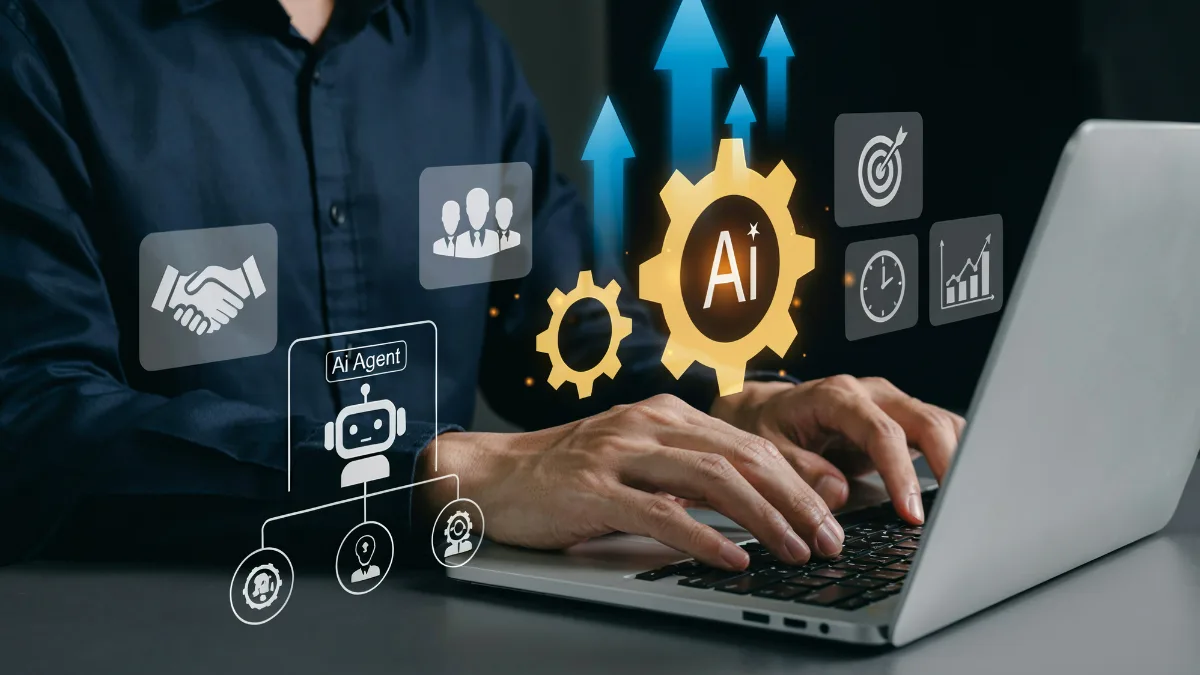
AI agents are becoming an important part of modern marketing workflows.
Unlike traditional automation tools that complete one specific action, AI agents can support broader tasks by understanding goals and working through multiple steps.
For marketing teams, AI agents can assist with:
- Content organization
- Campaign preparation
- Creative workflows
- Data analysis
- Customer communication
This creates opportunities for businesses to build smarter marketing operations.
Creative production is also benefiting from this shift. Invideo Editor shows how AI agents can support video editing by handling repetitive execution while allowing marketers and creators to review, adjust, and refine the final output.
Building a Scalable AI Content Workflow
Adopting AI automation requires a clear workflow strategy.
Businesses should focus on areas where AI can create the most value.
Identify Repetitive Tasks
The first step is finding tasks that consume time but require limited creative judgment.
Examples include asset organization, content formatting, and initial editing processes.
Keep Human Review Involved
AI can improve efficiency, but human input remains important for maintaining quality, brand consistency, and strategic direction.
Connect Different Workflow Stages
The biggest benefits come when AI supports multiple parts of the content process rather than isolated tasks.
A connected workflow helps teams move from planning to production more efficiently.
Measure Results
Businesses should track improvements such as:
- Faster content production
- Increased content output
- Reduced manual effort
- Improved team efficiency
This helps organizations understand where AI automation creates the most impact.
How AI Automation Helps Small Marketing Teams
Large companies often have dedicated teams for content creation, design, and production. Smaller teams may need to manage the same responsibilities with fewer resources.
AI automation helps smaller marketing teams compete by improving productivity.
A small team can use AI tools to:
- Create more content variations
- Produce videos faster
- Organize marketing materials
- Reduce repetitive work
This allows teams to focus on business goals rather than spending most of their time managing production tasks.
Choosing the Right AI Tools for Marketing Workflows
With many AI tools available, businesses should evaluate solutions based on their workflow needs.
Important factors include:
Ease of Integration
The tool should fit into existing processes without creating additional complexity.
Creative Control
Marketing teams should be able to review and refine the final output.
Scalability
The solution should support growing content requirements.
Collaboration Features
Teams need tools that allow different stakeholders to review and improve content.
Invideo Editor follows this approach by combining AI assistance with an editable workspace. Teams can use AI support while maintaining visibility into the creative process.
The Future of AI-Powered Marketing Workflows
AI automation is changing how marketing teams approach content creation.
The future is moving toward workflows where AI handles repetitive execution while people focus on strategy, creativity, and customer relationships.
As AI technology improves, businesses will continue adopting smarter systems that help them create more content without increasing operational complexity.
For marketing teams, the opportunity is not just producing content faster. It is building workflows that make content production more efficient, consistent, and scalable.
FAQs
1. How is AI automation changing marketing workflows?
AI automation is helping marketing teams reduce repetitive tasks, improve content production speed, and create more efficient workflows across planning, production, and distribution.
2. Can AI automate content creation for marketing teams?
Yes, AI can support different parts of content creation, including research, content adaptation, asset organization, and creative production workflows.
3. What are AI agents in marketing?
AI agents are systems that can understand goals and assist with multiple workflow steps. They help marketing teams manage tasks such as content operations, analysis, and creative processes.
4. How can businesses use AI for video marketing?
Businesses can use AI for video marketing to support editing workflows, create content variations, organize footage, and improve production efficiency.
5. Will AI replace marketing teams?
AI is designed to support marketing teams by reducing repetitive work. Human creativity, strategy, and decision-making remain important parts of successful marketing campaigns.