Businesses have spent years adopting automation tools to improve efficiency. From marketing automation platforms to CRM workflows and data processing systems, automation has helped teams reduce repetitive tasks and improve operational speed.
However, traditional automation has limitations.
Most automation systems are designed around predefined rules. They perform specific actions when certain conditions are met, but they usually require humans to define every step of the process.
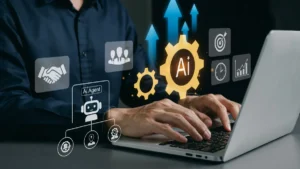
The next phase of business workflow optimization is moving beyond simple automation toward AI agents.
AI agents can understand goals, analyze information, and support multi-step workflows. Instead of only completing individual tasks, they can assist teams in managing broader processes.
This shift is changing how businesses approach operations, marketing, customer experience, and creative workflows.
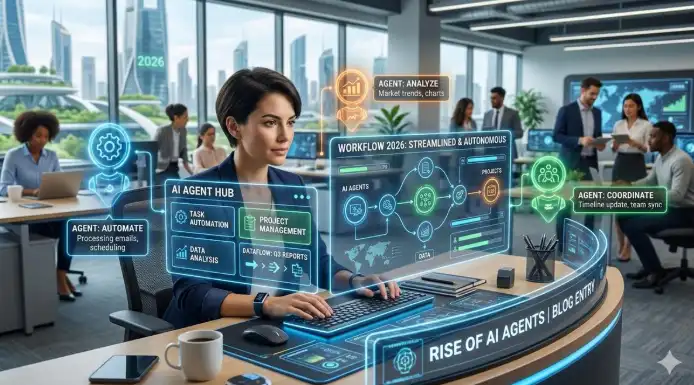
The Evolution From Automation Tools to AI Agents
Traditional automation changed how businesses handled repetitive processes.
For example, companies use automation tools to:
- Send scheduled emails
- Update customer records
- Move information between systems
- Trigger notifications
- Generate reports
These systems are valuable because they save time and improve consistency.
However, they often depend on fixed workflows. If a process changes, teams usually need to update the automation rules manually.
AI agents introduce a different approach.
Instead of following only predefined instructions, AI agents can understand context and adapt their actions based on the goal they are given.
For example, an AI agent supporting a marketing team may help organize campaign information, analyze customer data, suggest improvements, and assist with content preparation.
This creates more flexible workflows that can adapt to changing business needs.
Why Businesses Are Moving Toward AI-Powered Workflows
Modern businesses operate in environments where speed and adaptability are important.
Teams are managing more data, more communication channels, and more customer expectations than before.
Manual workflows often create challenges such as:
- Slow decision-making
- Repetitive operational tasks
- Limited team capacity
- Difficulty scaling processes
AI-powered workflows help businesses address these challenges by combining automation with intelligence.
Instead of replacing existing systems, AI agents can work alongside teams to improve how tasks are completed.
The focus is shifting from simply automating actions to improving entire workflows.
How AI Agents Differ From Traditional Automation
The biggest difference between automation tools and AI agents is the ability to handle complex tasks.
Traditional automation:
- Follows predefined rules
- Completes specific actions
- Requires manual workflow setup
- Works best for repetitive processes
AI agents:
- Understand objectives
- Process information
- Handle multiple steps
- Adapt based on context
For example, a traditional automation system may send a follow-up email after a customer action.
An AI agent could analyze customer interactions, understand the situation, prepare a response, and recommend the next step.
This does not mean businesses no longer need human involvement. Instead, AI agents allow teams to spend more time on decisions that require experience, creativity, and strategy.
AI Agents in Marketing and Content Operations
Marketing teams are one area where AI agents are creating new opportunities.
Modern marketing requires businesses to manage multiple workflows at the same time, including:
- Content planning
- Campaign execution
- Customer communication
- Performance analysis
- Creative production
Managing these activities manually can slow down teams.
AI agents can support marketing operations by helping with research, organizing information, preparing content variations, and improving workflow efficiency.
This allows marketers to focus more on strategy while AI supports repetitive execution.
AI Agents Are Changing Creative Workflows
Creative production is another area where businesses are exploring AI-powered workflows.
Creating videos, for example, often involves many repetitive steps. Teams need to review footage, select useful clips, remove unnecessary sections, create versions, and prepare content for different platforms.
These tasks require time even when the creative direction is already clear.
Invideo Editor is an example of how AI agents are being applied to video production workflows. It combines a professional editing timeline with AI editing agents that can assist with repetitive editing work while keeping projects editable.
Teams can provide footage and direction while the AI agents support tasks such as reviewing material, selecting usable sections, and preparing an editable base cut.
This approach is part of the broader shift toward agentic AI video editing, where AI agents assist with execution while creators continue controlling the creative decisions.
The Role of AI Agents in Business Workflow Optimization
AI agents can support different areas of business operations by reducing manual workload and improving efficiency.
Some examples include:
Customer Support
AI agents can help analyze customer requests, provide responses, and support service teams.
Sales Operations
AI agents can assist with lead research, customer information analysis, and sales workflow management.
Marketing Operations
AI agents can help teams organize campaigns, prepare content, and analyze performance.
Creative Production
AI agents can support content teams by handling repetitive production tasks while maintaining human oversight.
The common benefit across these areas is that teams can spend less time managing routine execution.
Building an AI Agent Strategy for Your Business
Businesses should approach AI adoption with a clear strategy.
Adding AI agents without understanding workflow needs can create unnecessary complexity.
A practical approach includes:
Identify Repetitive Processes
Start by finding tasks that consume significant time but require limited human judgment.
These areas often provide the best opportunities for AI assistance.
Define Clear Goals
AI agents work best when businesses provide clear objectives.
Teams should understand what outcome they want to achieve before implementing automation.
Maintain Human Oversight
AI agents should support teams, not remove important decision-making processes.
Human review remains important for quality, accuracy, and strategic decisions.
Measure Improvements
Businesses should track results such as:
- Reduced processing time
- Increased productivity
- Faster content delivery
- Improved workflow efficiency
This helps teams understand where AI creates meaningful value.
Challenges Businesses Should Consider Before Adopting AI Agents
While AI agents provide new opportunities, businesses should also consider implementation challenges.
Data Quality
AI systems depend on accurate information. Poor-quality data can affect results.
Workflow Integration
AI agents need to work with existing tools and processes to create real improvements.
Security and Governance
Businesses should establish clear guidelines for how AI systems access and use information.
Team Adoption
Employees need to understand how AI fits into their existing workflows.
Successful AI adoption requires both technology and people working together.
How AI Agents Will Shape the Future of Business Operations
The move from automation tools to AI agents represents a major change in how businesses approach workflows.
Traditional automation focused on completing individual tasks faster. AI agents focus on helping teams manage broader processes with more flexibility.
Invideo Editor reflects this shift within creative workflows by allowing teams to assign editing tasks to AI agents while keeping control over the final project.
As AI technology continues to develop, businesses will increasingly use AI agents to support operations across different departments.
The future of workflow optimization will not only be about completing tasks faster. It will be about creating smarter systems where technology handles repetitive execution and people focus on strategy, creativity, and decision-making.
FAQs
1. What is the difference between automation tools and AI agents?
Automation tools usually follow predefined rules to complete specific tasks. AI agents can understand goals, process information, and support more complex workflows.
2. How can AI agents improve business workflows?
AI agents improve workflows by reducing repetitive tasks, supporting decision-making, and helping teams complete multi-step processes more efficiently.
3. Are AI agents replacing traditional automation?
AI agents are not replacing all automation tools. Instead, they are expanding automation capabilities by adding intelligence and flexibility to workflows.
4. How are AI agents used in marketing?
AI agents can help marketing teams with content planning, campaign support, customer analysis, workflow management, and creative production tasks.
5. What is agentic AI video editing?
Agentic AI video editing uses AI agents to support video editing workflows by handling tasks such as footage review, content organization, and editing assistance while keeping human control over creative decisions.