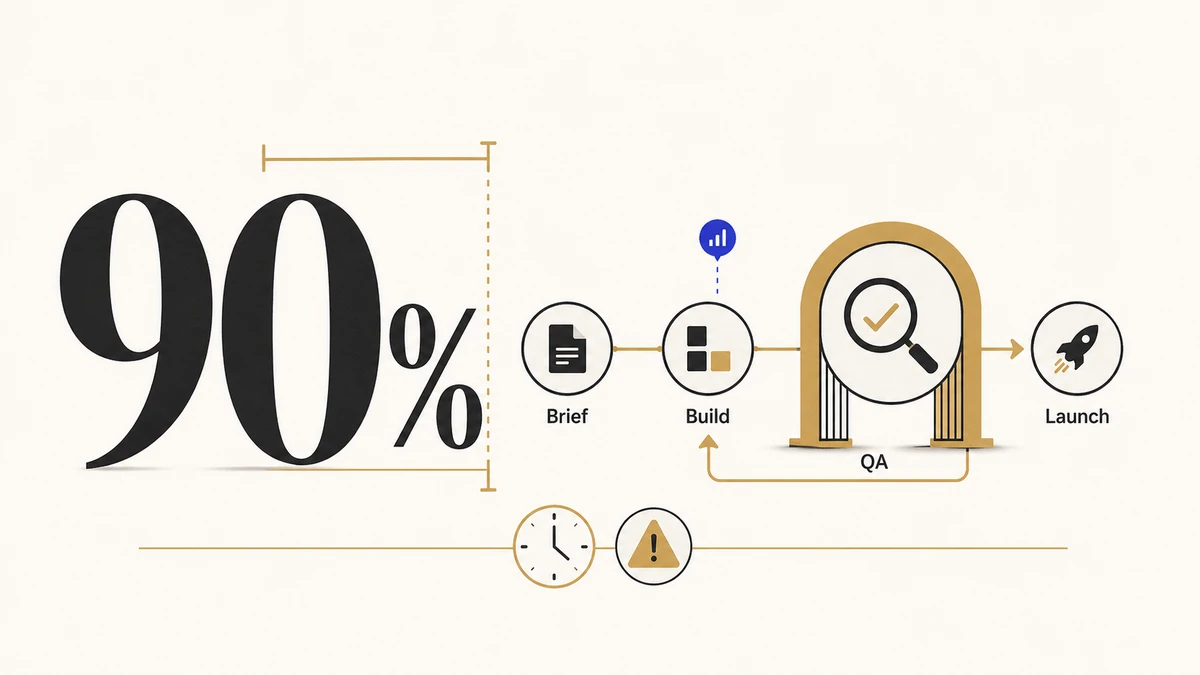
Mediaocean launched NIVO AI on June 11, saying Innovid agents have delivered workflow efficiency gains of up to 90% compared with manual campaign setup. The company’s announcement says pilots with Canvas, FanDuel, Optimum, Paddy Power, and Tailwind used NIVO to turn briefs, emails, and spreadsheets into ready-to-run campaigns.
NIVO combines a reasoning and decisioning layer with Mediaocean’s Orchestrator and specialized Innovid agents. The agents can work across creative, delivery, measurement, and optimization, giving the system a path from an unstructured request to campaign action.
Our read: the 90% number is a strong launch headline and an incomplete buying case. Mediaocean has not published the pilot methodology, starting setup times, error rates, or campaign outcome comparisons. Marketing operations teams should treat speed as the first metric to verify, not the final reason to deploy NIVO.
Key Takeaways
- Mediaocean launched NIVO AI on June 11, 2026, with Innovid agents that can turn briefs, emails, and spreadsheets into campaign actions.
- The company reports workflow efficiency gains of up to 90% compared with manual campaign setup in early pilots.
- The public launch names five pilot organizations: Canvas, FanDuel, Optimum, Paddy Power, and Tailwind.
- Mediaocean has not published the detailed methodology behind the 90% upper-bound claim.
- Buyers should compare setup time, QA errors, rollback effort, and campaign outcomes before calling the pilot a success.
What NIVO AI Automates
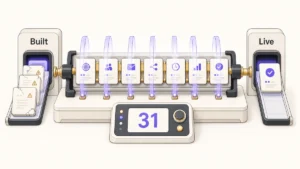
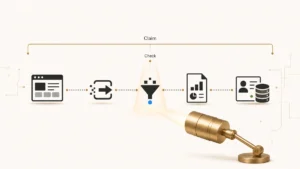
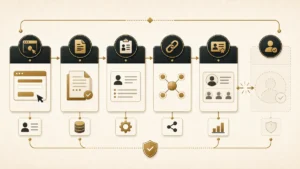
NIVO is positioned as the intelligence layer connecting Mediaocean’s tools, teams, and workflows. A marketer can begin with an email, spreadsheet, or campaign brief. NIVO interprets the request, Orchestrator routes the work, and specialized agents complete defined actions across the advertising workflow. Mediaocean’s parallel release describes the same three-part operating model.
The design targets a familiar source of campaign delay: humans translating the same plan between documents, platforms, and teams. Instead of rebuilding the brief at every handoff, an agent can carry the instructions into the setup process. Mediaocean says the system can support creative work, delivery, measurement, and optimization.
The concept is similar to the prompt-to-campaign shift behind Salesforce Agentforce Marketing, but Mediaocean’s claim is tied directly to setup speed. That makes the performance benchmark easier to understand and easier to misuse.
The 90% Claim Needs a Denominator
“Up to 90%” describes the best reported efficiency gain, not the average result a new customer should expect. The number could represent a campaign that fell from ten hours to one hour, or a narrow setup task that fell from ten minutes to one. Those outcomes have different operational value. Futuri’s early-access newsroom productivity figures need the same separation between best-case task speed, total review time, usable output, and fully loaded cost.
PPC Land’s coverage notes that Mediaocean has not published detailed methodology for the efficiency claim. The launch also names five pilot organizations, which is useful evidence of real use and too small a base for a universal benchmark.
Speed can hide rework. If an agent creates a campaign in minutes but an operator spends hours checking naming, targeting, budget, creative, and measurement settings, the headline setup gain overstates the total gain. The same applies if a fast launch produces weaker delivery or requires a costly rollback. That is the same caution behind Zappi’s predictive ad-testing launch: faster creative triage still needs downstream proof before budget moves.
This is why keeping creative control and QA visible still matters when AI takes over more campaign decisions. The useful metric is not how quickly the agent reaches the launch button. It is how quickly the team reaches a correct, approved, measurable campaign.
What Marketing Operations Should Prove
Measure the full clock. Start timing when the brief arrives and stop when the campaign is approved for launch. Include human review, corrections, escalations, and documentation. Compare that total with a similar manually built campaign.
Track setup defects. Record incorrect fields, missing assets, targeting mistakes, budget errors, and measurement gaps. A faster build with more defects is not an efficiency gain. Teams should compare defect rates by campaign type and by agent action.
Test rollback and ownership. Every automated change needs a visible owner, an audit record, and a clear reversal path. This is the same governance issue raised by Microsoft AI Max’s agentic ad controls: automation is valuable only when operators can see and correct what it did.
Separate setup speed from campaign results. NIVO may reduce the work required to launch without improving reach, conversion, cost, or revenue. Keep those outcome metrics separate during the pilot so a dramatic setup gain does not conceal weaker performance.
Mediaocean has made a measurable claim, which is more useful than a vague promise that AI will make teams productive. Buyers should respond with an equally measurable pilot. Prove the 90% on your workflow, then prove that the saved time did not move risk into QA or performance.
Frequently Asked Questions
NIVO AI is Mediaocean’s intelligence layer for advertising workflows. It connects reasoning and decisioning with Orchestrator and specialized Innovid agents. The system can interpret briefs, emails, and spreadsheets, then help execute work across creative, campaign delivery, measurement, and optimization.
Mediaocean reports workflow efficiency gains of up to 90% compared with manual campaign setup in early pilots. “Up to” is an upper-bound result, and the company has not published detailed methodology, average gains, or error-rate comparisons. Buyers should verify the result on their own workflows.
Mediaocean’s launch announcement names Canvas, FanDuel, Optimum, Paddy Power, and Tailwind as pilot organizations. The announcement does not provide a detailed result for each company, so it is not possible to compare their starting processes or individual efficiency gains from the public information.
Measure total time from brief to approved launch, human review time, setup defects, correction and rollback effort, and final campaign performance. Keep setup efficiency separate from business outcomes. A successful pilot should reduce total work without increasing errors or weakening measurable campaign results.