Direct answer – what are RainFocus MCP Profiles?
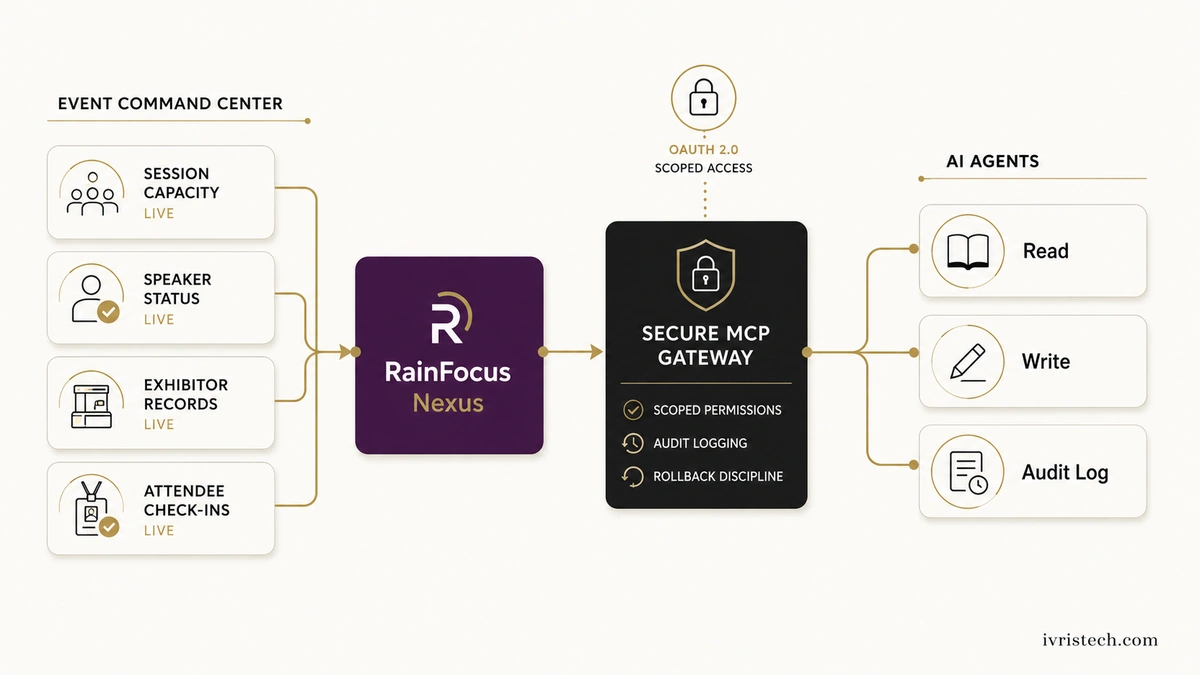
RainFocus MCP Profiles are secure Model Context Protocol connections inside RainFocus Nexus that let AI agents query and act on live event data. RainFocus says the profiles use OAuth-secured authentication, per-event scoping, and audit logging. The event-ops issue is read/write authority: agents can help during live events only if access and rollback rules are clear.
RainFocus announced MCP Profiles on July 8, 2026, adding Model Context Protocol access to RainFocus Nexus for event marketing teams.
The company says MCP Profiles connect AI tools to live RainFocus event data through an enterprise-grade OAuth security layer. The release names examples such as live session capacity, registration status, speaker details, missing profile fields, exhibitor data, and on-site check-in questions.
For B2B event marketers, this is a useful agent story because events have a timing problem. A dashboard answer that arrives after the keynote is not operational intelligence. The important part is whether an agent can answer or update the right event record during the window when the event team can still act.
Key Takeaways
- RainFocus launched MCP Profiles for RainFocus Nexus on July 8, 2026.
- The profiles connect AI agents to live event data through Model Context Protocol.
- RainFocus says actions use OAuth-secured authentication, role-based access, and audit logs.
- Use cases include session capacity, speaker records, exhibitor data, and check-in status.
- B2B event teams should start with read-only queries before allowing agents to change records.
What RainFocus MCP Profiles Add
MCP Profiles are part of RainFocus Nexus, the company’s AI agent system for event marketing operations. Instead of exporting data or waiting for a technical user to build a report, an event strategist can ask an AI tool a live operational question against RainFocus data.
The Model Context Protocol gives AI clients a standard way to connect to tools and data sources. RainFocus is applying that pattern to event systems where the data changes quickly and the cost of late action is high. The company’s official platform page frames RainFocus around event marketing and management, which is the right context for why live operational data matters here.
The notable feature is bidirectional action. RainFocus says agents can read live data and write changes, such as updating speaker details or closing registration for a sold-out track. That is more useful than a static report, but it is also more sensitive. SpotsNow’s read-only podcast intelligence connector offers the lower-risk contrast: an assistant can research media options without gaining permission to change the advertiser’s own systems.
Why Live Event Data Is Different
Most marketing data can wait. Event data often cannot. Room capacity, speaker bios, attendee check-ins, exhibitor records, and session changes all affect a live experience. If the event team waits for a manual export, the best decision window may already be gone.
RainFocus is making the event-data version of a broader MCP argument. When IVRIS covered Gong’s MCP support for revenue AI, the question was which customer context should be available inside Microsoft work surfaces. In event operations, the question is sharper because the AI may be working against records that affect an active attendee experience.
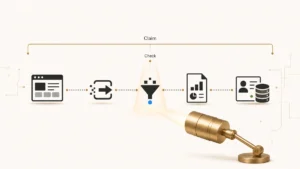
That makes the “profile” idea important. A named profile can define which tools, records, event scope, and user permissions an agent can access. Without that layer, MCP turns into a broad pipe between a live system and a prompt window. ZoomInfo’s GTM.AI Codex integration made the same point for revenue data: callable data only helps when scope and source control travel with it.
The Catch: Write Access Changes The Risk
Read access is a reporting problem. Write access is an operations problem. Once an agent can change event records, the team needs to know who requested the change, which source supported it, what field changed, and how to reverse it.
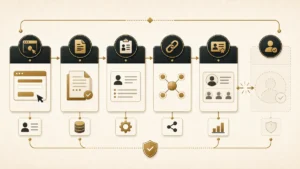
RainFocus says MCP Profiles include administrator identity, per-user authentication, role-based access control, and full audit logging. That is the right direction. The hard work is deciding which event actions are safe enough for agent assistance during a live program.
Our read: RainFocus MCP Profiles should be piloted as a scoped command layer, not a general event chatbot. The agent should answer defined operational questions first, then earn write access after the team sees enough correct outputs.
What Event Marketing Teams Should Test First
Start with read-only questions tied to time pressure. Examples: “Which sessions are over 90% full?”, “Which speaker profiles are missing headshots?”, or “How many checked-in attendees are in the executive track?”
Second, define event-level scopes. A field marketer supporting one regional event should not see or change records for every global program. RainFocus says planners can control tool access event by event; that should be tested before any production use.
Third, test one low-risk write workflow. Updating an internal session note is different from closing registration. Prove audit logs, approval paths, and rollback first.
Finally, compare agent answers with the system of record. MCP access should reduce service tickets and manual reporting, but only if the answers match RainFocus data and the event team can trace the source.
The workflow should also have a stop rule. Apollo’s Perplexity connector showed why action layers need inspection before they touch downstream systems. Event teams should use the same discipline before letting an agent change session, attendee, or speaker records.
Frequently Asked Questions
RainFocus MCP Profiles are secure connections that let AI tools query and act on live RainFocus event data through Model Context Protocol. They are part of RainFocus Nexus, the company’s AI agent system for event marketing operations.
RainFocus says teams can use MCP Profiles to check session capacity, registration status, speaker data, exhibitor completeness, attendee check-ins, and other event records. Some workflows can also update data through scoped write access.
OAuth matters because event data is sensitive and actions may affect a live program. RainFocus says MCP actions are tied to administrator identity, role-based access, per-user authentication, and audit logging instead of broad anonymous access.
Start with read-only operational questions, compare agent answers with RainFocus records, and limit access to one event. Add write actions only after the team has tested permissions, logs, approvals, and rollback.