Direct answer – What did Apollo launch with Perplexity Computer, and what does it mean?
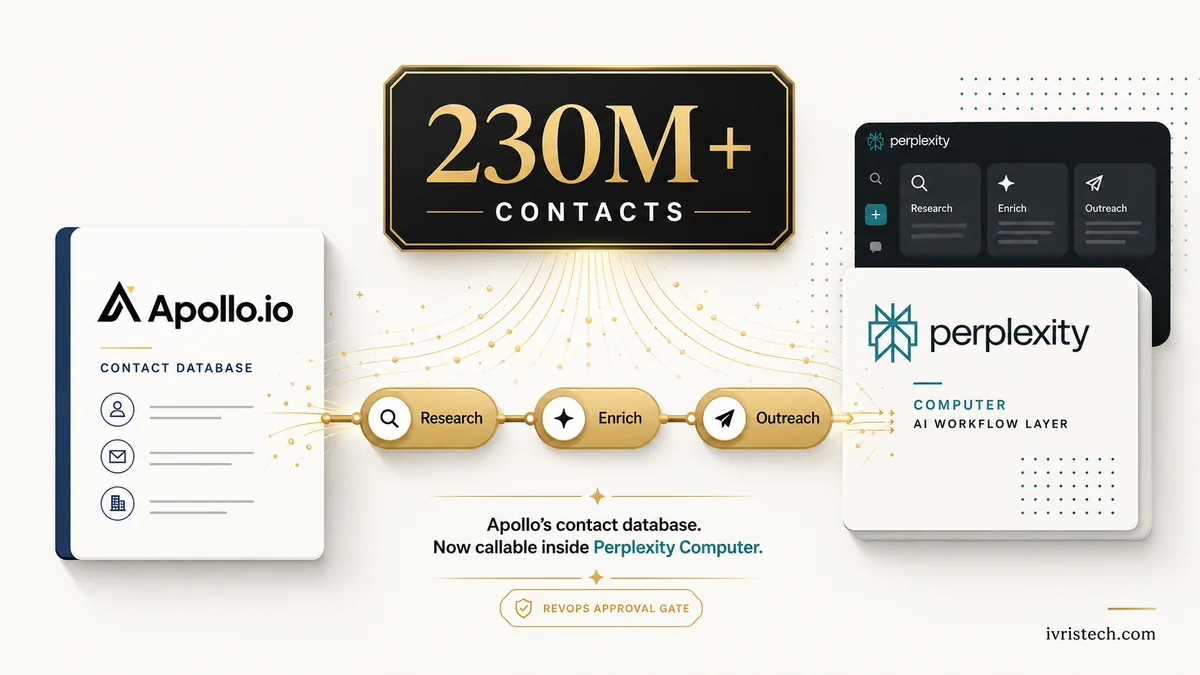
Apollo launched a connector for Perplexity Computer on June 3, 2026, bringing its 230M+ contact database and GTM actions into Perplexity’s Workflows for Growing Businesses product. Users need a Perplexity Pro plan or higher. Lean teams can run prospecting, enrichment, account research, outreach prep, CRM updates, and follow-up as AI workflows. It means Apollo is shifting from a contact database into a callable action layer the AI workspace itself can use.
Apollo.io launched a connector for Perplexity Computer on June 3, 2026, bringing Apollo’s sales data and GTM workflow actions into Perplexity’s Workflows for Growing Businesses product. The announcement landed the same day as Perplexity’s Main Street AI Summit in Washington, D.C.
The number inside the release is 230M+ contacts. Apollo says founders, operators, lean revenue teams, agencies, and sales and marketing teams can use the connector to turn prospecting, account research, enrichment, outreach prep, CRM updates, and follow-up into AI-powered workflows. Apollo users need a Perplexity Pro plan or higher to use the new connector.
Our read: this is more than another connector announcement. It moves Apollo from a tab that reps visit into a data-and-action layer an AI workspace can call. When we covered HubSpot pulling from Apollo seats inside its Prospecting Agent, Apollo was the substrate under someone else’s CRM agent. In Perplexity Computer, Apollo is trying to make the AI workspace itself the GTM surface.
Key Takeaways
- Apollo.io launched its Perplexity Computer connector on June 3, 2026, tied to Perplexity’s Main Street AI Summit.
- The connector brings Apollo’s 230M+ contact database and GTM actions into Perplexity Computer for Growing Businesses.
- Apollo says the workflows cover prospecting, enrichment, account research, outbound prep, CRM updates, customer follow-up, and campaign planning.
- Apollo users need a Perplexity Pro plan or higher to use the connector.
- The B2B implication is not “AI writes more outbound.” It is that prospecting data, action, and research are collapsing into one conversational workspace.
What Apollo and Perplexity Actually Launched
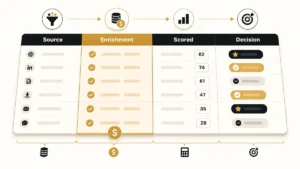
The connector puts Apollo inside Perplexity Computer’s business-workflow layer. Instead of opening Apollo, researching a market in another tab, copying contacts into a sheet, and building outreach somewhere else, a user can ask Perplexity to run part of the workflow with Apollo’s data and actions behind it. Apollo’s own MCP product page frames the same pattern across Claude, ChatGPT, and Perplexity: search for leads, enrich contacts, create or update records, add prospects to sequences, and analyze performance from the AI conversation.
The partnership is aimed at lean teams rather than large RevOps departments. Apollo names startup founders, early GTM teams, consultants, agencies, and sales and marketing teams as the target users. That is a practical read of where the friction lives. Big revenue teams already have admins, data operations, and RevOps support. Small teams have the same GTM jobs and fewer people to run them.
Why This Matters for Lean Revenue Teams
The workflow shift is the story. Apollo has spent years being evaluated as a contact database, then as a database plus sequencer. The Perplexity connector pushes it into a third role: execution layer for AI-native GTM work. Apollo’s recent analysis of 42,000 MCP tool calls points the same direction. Users are not only asking AI to write copy. They are asking it to search, enrich, update records, and move prospects into workflows.
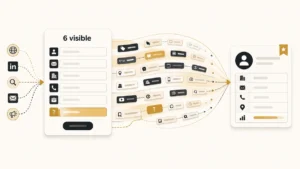
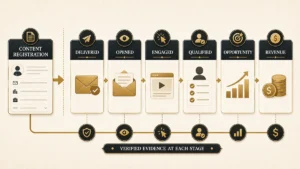
That matters because small GTM teams usually do not lose time on strategy. They lose time on handoffs. Research sits in Perplexity or ChatGPT. Data sits in Apollo. Notes sit in the CRM. Outreach sits in a sequencer. The connector is Apollo’s attempt to make the handoff disappear without asking the team to buy another full platform. 2X’s $400M-plus Knownwell deal tests the larger version of the same idea by combining specialists, intelligence, and workflows under one accountable GTM partner. 6sense’s ad-to-contact handoff model adds the paid-media version of the same workflow argument, where account engagement has to become a named next action without turning into blind contact export.
The risk is also familiar. A connector that can act on prospect data can create bad records, enroll weak-fit contacts, or push half-checked outreach into sequences faster than a human team can clean it up. The productivity upside is real only if permissions, territory rules, suppression lists, and qualification gates are already clean. MCP access to live event data raises the same control issue in event operations, where a bad update can affect attendees while the program is still running.
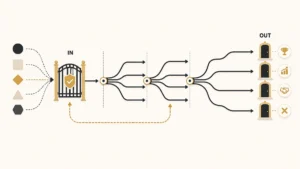
The Hidden Catch: GTM Automation Still Needs a Gate
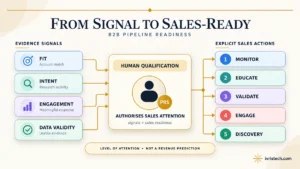
Perplexity Computer can help a lean team move faster. It cannot decide, by itself, which accounts deserve human attention. The operational failure mode is simple: a founder asks for “50 CFOs at SaaS companies in Texas,” Apollo returns contacts, Perplexity drafts the campaign, and the workflow moves before anyone has checked ICP fit, duplicate suppression, or whether those companies are already customers.
That is why the first workflow should be read-only or human-approved. Start with account research, enrichment, list-building, and CRM cleanup. Hold off on automatic sequence enrollment until the team can inspect the first 100 outputs and confirm that Apollo’s data, Perplexity’s reasoning, and the team’s GTM rules agree.
For B2B teams that already use HubSpot, Salesforce, Outreach, or Apollo sequences, the governance question is not abstract. The same prospect can now be touched by a CRM agent, a sales-engagement agent, and an AI workspace connector. Someone has to own the rule that says which system is allowed to act first.
What B2B Teams Should Test This Week
- Run a 25-account research workflow first. Ask Perplexity to use Apollo to identify a narrow ICP list, then manually inspect company fit, contact accuracy, and duplicate rate before any outreach happens.
- Separate enrichment from enrollment. Let the connector enrich records and draft a recommended next step. Keep sequence enrollment human-approved until false positives are known.
- Mirror your Apollo permissions. If a rep cannot export or enroll a segment inside Apollo, the AI workspace should not be able to do it through the connector.
- Compare time saved against quality lost. Track how many manual minutes the workflow saves, but also count bounced contacts, wrong titles, duplicate records, and suppressed accounts that slipped through.
The connector is a useful signal for where GTM software is moving. The winning surface may not be the CRM, the database, or the sequencer. It may be the AI workspace that can call all three. Apollo wants to be callable when that shift happens. ZoomInfo’s Codex for Work integration confirms the same surface shift from the enterprise-data side, where the graph has to be permissioned and identity-resolved before an agent can safely act on it.
Frequently Asked Questions
Apollo.io launched a connector for Perplexity Computer for Growing Businesses on June 3, 2026. It brings Apollo’s sales data, prospecting, enrichment, record updates, and workflow actions into Perplexity’s AI workspace so lean GTM teams can run research-to-action workflows in one place.
Apollo says users need a Perplexity Pro plan or higher. The target users are founders, operators, early GTM teams, sales and marketing teams, consultants, agencies, and small teams that want prospecting, enrichment, account research, and follow-up workflows without adding headcount.
No. Apollo.io’s MCP connector is for GTM teams using Apollo’s B2B database and sales workflows inside AI tools such as Claude, ChatGPT, and Perplexity. Apollo GraphQL MCP is a separate developer tool from a different company for exposing GraphQL APIs through MCP.
Check permissions, territory rules, duplicate suppression, account ownership, and qualification criteria before letting the connector enroll prospects into sequences. Start with research and enrichment, inspect the first outputs manually, and turn on action workflows only after the quality bar is clear.