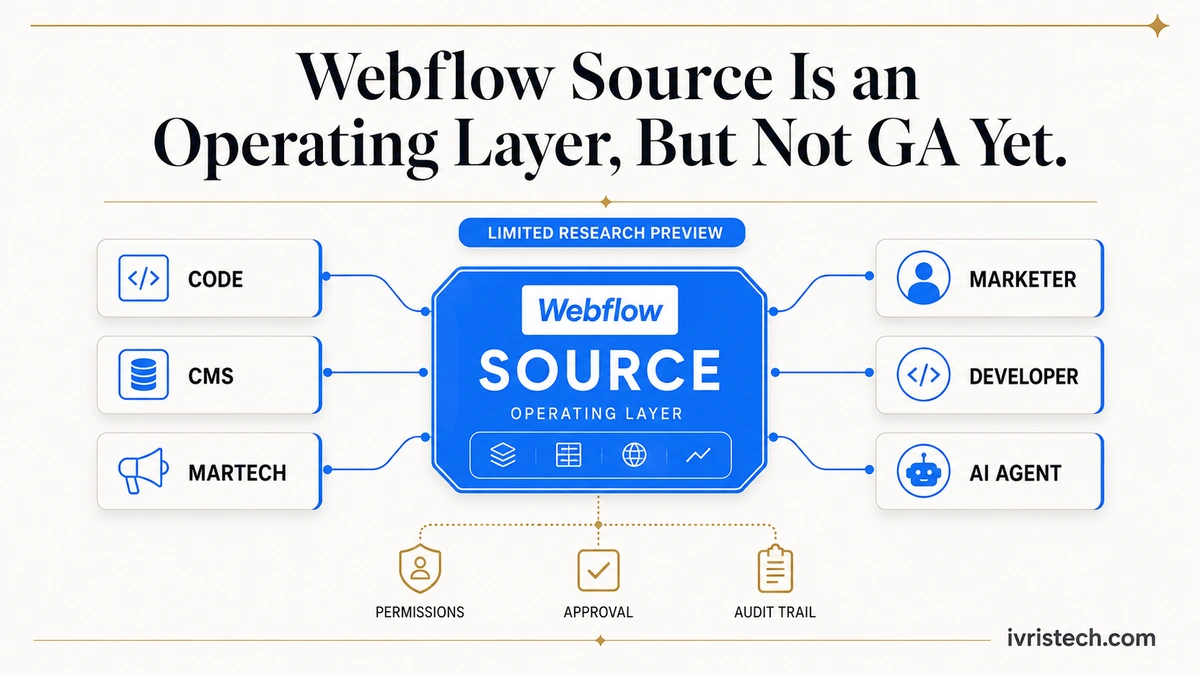
Webflow introduced Source on September 2, 2026, as a new platform for marketing teams and AI agents to build, optimize, and scale digital experiences together. The product is not generally available: Webflow says Source is in a limited research preview, with select agencies and customers being enrolled in phases over the coming months.
The architecture is the more important part. Source connects code, CMS, hosting, and marketing tools while giving marketers, designers, developers, and agents role-specific Views governed by brand systems, access controls, approval paths, and audit trails.
For B2B marketing teams, this is not just another AI site builder. Our read: Webflow is trying to become the operating layer between the web stack and the people and agents that continuously change it, from campaigns and CRO to localization and AEO. The catch is equally important: Source shows Webflow’s direction, not yet a proven production standard.
Direct answer – what did Webflow launch with Source?
Webflow Source is a code-native, governed operating environment where marketing teams and AI agents can work across a company’s web stack. It combines visual and agentic workspaces with permissions, approval paths, and audit trails. Webflow launched Source on September 2, 2026, but only as a limited research preview, so its broader enterprise performance, pricing, and general-availability timeline are not yet established.
Key Takeaways
- Webflow unveiled Source on September 2, 2026, as a limited research preview, not a generally available product.
- Source is designed to connect code, CMS, hosting, and martech in one shared environment for people and agents.
- Role-specific Views can be governed by brand systems, permissions, approval paths, and audit trails.
- Webflow says teams can require human approval before agents ship changes or grant more autonomy for lower-risk work.
- The strategic bet is broader than website building: Webflow wants a continuous execution layer for web marketing.
What Webflow Actually Launched With Source
Source changes the foundation Webflow is emphasizing. The code that ships becomes the common substrate for people and agents: agents can work directly on it, while marketers and designers can still make visual edits against the same underlying system.
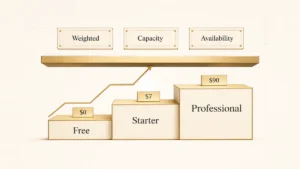
The second building block is Views. Webflow describes Views as dedicated surfaces for site building, campaigns, content, and optimization. A developer can work closer to code while a marketer gets a task-specific workspace without unrestricted access underneath.
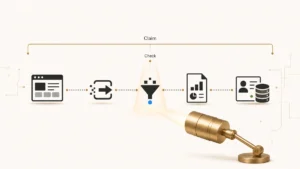
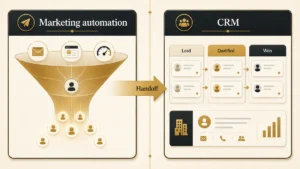
Source is also pitched as composable: teams can connect an existing codebase, CMS, hosting, and martech stack rather than replace every component with Webflow. The bet is coordination across the stack, not merely more AI controls inside the current site builder.
The Bigger Bet Is an Operating Layer for Web Marketing
Webflow has been moving in this direction before Source. In August, the company said its MCP roadmap is pointed toward agent parity with human Webflow capabilities, while enforcing account roles, permissions, branches, and activity logs. In June, Webflow AEO paired measurement, recommendations, and agent-assisted execution in a closed loop for AI discovery.
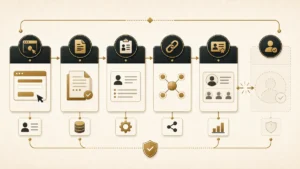
Source widens that pattern. The intended workflow is closer to: detect an AEO or CRO opportunity, draft the change, route it through review, ship it, measure the result, and repeat. Webflow’s conference announcements place Campaigns, Assets, AEO agents, and release controls around the same model.
In our earlier reporting on Gradial’s system-of-work pitch, the key question was whether agents could execute across enterprise marketing systems without losing governance. Cordial’s headless AI infrastructure raised a related interoperability test. Source brings both ideas into the web stack: composable execution plus a control layer for who or what can make changes.
The Hidden Catch: Source Is Still a Research Preview
The positioning is ambitious, but the evidence boundary is narrow. Webflow repeatedly labels Source a limited research preview with phased access for select agencies and customers. Its public materials provide no GA date or Source pricing and no independent benchmarks for production reliability, security outcomes, or marketing ROI.
Webflow also says the existing platform is not going away and promises a supported migration path when Source is ready for customers that choose to move. Source is therefore a strategic signal today, not a reason to redesign production architecture on announcement copy alone.
What B2B Teams Should Test Before They Bet on Source
- Pick one cross-stack workflow. Start with a measurable job such as an AEO fix, a CRO variant, or a campaign landing-page change. Our guide to agentic AI in marketing makes the same case for proving one workflow before expanding autonomy.
- Write the permission matrix first. Define what an agent may read, draft, edit, approve, and ship. Separate low-risk changes from changes that always need a person.
- Test the audit trail and recovery path. A useful demo is not enough. Ask how a team reconstructs who changed what, which agent acted, what approval applied, and how a bad change is rolled back.
- Validate composability in your actual stack. The promise is strongest when Source can work with the CMS, hosting, analytics, and martech tools already in place. Preview access should test those boundaries before a migration decision.
The strategic signal is clear: Webflow is betting the next web platform will be judged by how safely marketers, developers, and agents can keep improving a site after launch, not only by how fast they can build it.
Frequently Asked Questions
No. Webflow says Source is currently in a limited research preview. It plans to enroll select agency partners and customers in phases over the coming months. Applying through the Source page does not mean immediate access, and Webflow has not announced a general-availability date in the launch materials.
No. Webflow says its existing platform will continue to be supported and developed while Source evolves. The company says it will offer a supported migration path when Source is ready for a customer, but migration is described as a choice rather than an automatic replacement of current Webflow sites.
Webflow says composability is a core Source principle: teams can connect an existing codebase, CMS, hosting, and martech tools, including sites already built with Webflow. Because Source is still a research preview, buyers should verify which integrations and workflows are actually supported in their preview environment before assuming full-stack coverage.
Webflow says teams decide the level of autonomy. They can require human approval before changes ship or allow more freedom for lower-risk work. Agent actions are governed through the same roles, permissions, and review systems as human work, with an audit record showing what changed and who or which agent made it.