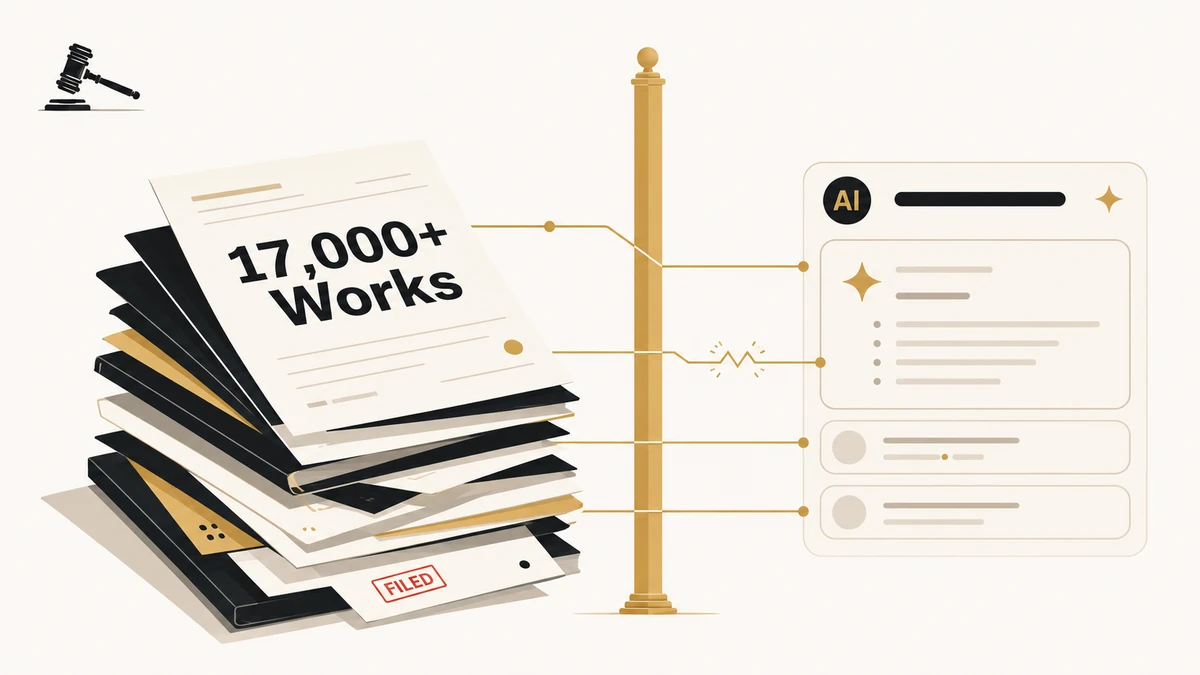
CNN sued Perplexity on May 28 in the Southern District of New York, alleging the AI search company copied more than 17,000 CNN articles, videos, and images to build its answer products. It is the first time a major broadcast-news brand has taken Perplexity to court, and the complaint reads as a direct challenge to how AI search engines source the answers buyers now trust.
The suit (Case No. 1:26-cv-04427) names four Perplexity products: its consumer answer engine, the Comet browser assistant, a Search API priced at $5 per 1,000 requests, and an Agent API. CNN is seeking an injunction plus statutory, actual, and treble damages, and it points to a licensing deal that fell apart, a “Comet Plus” term sheet signed on October 1, 2025 and terminated seven weeks later over content-use limits. Perplexity’s public reply, from chief communications officer Jesse Dwyer, was four words: “You can’t copyright facts.”
For B2B marketers this is not a media-industry sideshow. The AI-visibility playbook this site keeps documenting assumes AI engines can freely ingest, synthesize, and cite the open web. CNN is arguing that a large slice of that web is licensed property. If publishers win, the pool of content engines are willing to cite narrows to what they have paid for, and the rules for getting your brand into an AI answer change with it.
Key Takeaways
- CNN filed suit on May 28, 2026 in the Southern District of New York (Case No. 1:26-cv-04427), alleging Perplexity copied 17,000+ CNN works.
- The complaint names four products (consumer answer engine, Comet browser assistant, Search API at $5/1,000 requests, Agent API) plus 11 CNN trademarks over a disputed “Comet Plus” access claim.
- CNN seeks an injunction and statutory, actual, and treble damages. A Comet Plus license term sheet signed October 1, 2025 was terminated November 24, 2025.
- Perplexity’s defense: “You can’t copyright facts” (CCO Jesse Dwyer). It already faces parallel suits from The New York Times, Chicago Tribune, Reddit, Amazon, Dow Jones, and others.
- For B2B teams, the content supply behind AI citations is now contested. AI-visibility strategy gains a legal-licensing dimension it did not have a quarter ago.
What CNN Actually Filed
The complaint covers 17,000-plus CNN works registered under a single copyright filing, and it is specific about the alleged mechanism. CNN says Perplexity reproduced its journalism verbatim, including a paywalled article that the Comet assistant returned in full despite the paywall. The trademark counts go further: CNN claims Perplexity’s chatbot told users they could reach CNN premium content through a Perplexity subscription, a partnership that no longer exists. That is the bridge from a copyright claim to a false-advertising one.
The timeline is the part that makes this hard to wave away as a routine scraping dispute. The two companies signed a Comet Plus term sheet on October 1, 2025, announced it the next day, then terminated it on November 24 over disagreements about how much content Perplexity could use. CNN sent a cease-and-desist on December 10; per the complaint, Perplexity did not respond. The suit is the escalation after a private deal collapsed, not a cold open. Dwyer’s “you can’t copyright facts” line is the defense to watch, because the case will turn on whether Perplexity reproduced expression or merely reported facts.
Why This Is Bigger Than One Lawsuit
Perplexity is now a defendant in a queue, not a one-off. The same Manhattan court is already hearing The New York Times v. Perplexity (filed December 5, 2025) and a Chicago Tribune suit (December 4, 2025), and the company faces additional actions from Reddit, Amazon, Dow Jones, Encyclopaedia Britannica, and Merriam-Webster. The pattern is a content industry deciding, more or less at once, that AI answer engines are republishing rather than referencing.
That matters because the AI citation economy B2B marketers are chasing runs entirely on this content supply. When we covered the finding that 61.7% of AI citations never name the brand in the answer, the problem was attribution. The CNN suit adds a harder problem underneath it: whether the source material feeding those answers stays freely available at all. Perplexity’s bet on high-intent research users depends on being the engine that synthesizes the best sources, and that bet gets more expensive if the best sources start charging for access or pulling out entirely.
What It Means for B2B Marketers
Our read: the content layer under AI search is repricing, and that changes where B2B visibility comes from. Two outcomes are now plausible, and both reward the same behavior. If engines settle and start licensing, the sources they cite will narrow toward paid publishers and toward content the engine can use without risk, which means your owned, clearly-licensed material becomes more valuable, not less. If engines win on fair use, the status quo holds, but the threat of the next suit keeps them cautious about which domains they lean on. Cloudflare’s new default adds the infrastructure version of the same repricing pattern: mixed-use crawlers now face a Sept. 15 access test unless owners opt back in. Australia is drawing the same boundary in policy: its 2026 News Bargaining Incentive plan targets existing news shared through qualifying platforms, while AI transformation and reuse remain on a separate copyright track.
Either way, betting your AI presence on being scraped and cited by a single engine is the fragile position. The durable one is the content you control plus the third-party trust signals engines already favor. G2’s data on buyers building shortlists inside AI chat showed review-site citations are the top trust signal engines use to decide which vendors to recommend, and review platforms sit on the licensed-and-consenting side of this fight. The brands that earn those signals are insulated from whichever way the copyright cases break.
What B2B Teams Should Do Now
Four moves hold up regardless of how the courts rule.
- Spread your AI visibility across engines. Do not over-index on one platform whose sourcing is in active litigation. Track presence on ChatGPT, Gemini, AI Overviews, and Perplexity separately, and weight effort toward the ones with the steadier legal footing.
- Invest in content you own outright. Owned, structured pages on your domain do not depend on a publisher’s licensing fate. They are the one input to AI answers that no copyright settlement can pull away from you.
- Strengthen the third-party signals engines already trust. Review-site presence and named-customer proof are the trust inputs that survive a licensing reset. Trustpilot ranking as a top-cited source in ChatGPT is the template, and publishing your own verifiable proof is the supply-side version of the same move.
- Watch your category’s key sources for licensing deals. If the publications that AI engines cite in your category start signing paid deals, the cited set will shrink to licensed members. Plan to be in that set, or to be the owned source the engine reaches for instead.
Frequently Asked Questions
CNN’s May 28, 2026 complaint, filed in the Southern District of New York, alleges Perplexity copied more than 17,000 CNN articles, videos, and images to power its answer engine, Comet browser assistant, Search API, and Agent API. It also brings trademark and false-advertising counts over claims that users could access CNN premium content through a Perplexity subscription. CNN seeks an injunction and statutory, actual, and treble damages.
Yes. Perplexity already faces suits from The New York Times (filed December 2025), the Chicago Tribune, Reddit, Amazon, Dow Jones, and Encyclopaedia Britannica, among others. The CNN case is the latest in a wave of content owners arguing that AI answer engines republish their work rather than reference it. The cumulative effect is pressure on every AI search platform to license content or defend its sourcing in court.
If AI engines move to licensing, the sources they cite will narrow toward paid publishers and toward content they can use without legal risk, which raises the value of owned, clearly-licensed pages and consenting third-party platforms like review sites. Brands relying on being scraped and cited by one engine are the most exposed. Diversifying across engines and owning your core content is the hedge.
Track AI visibility per engine instead of as one number, invest in structured content you own outright, and strengthen the third-party trust signals engines already favor, especially review-site presence and named-customer proof. Then watch whether the publications AI cites in your category sign licensing deals, because the cited set may shrink to licensed members and you want to be inside it.