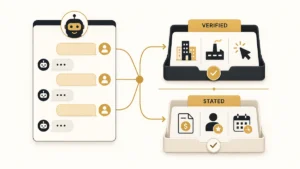

FORM announced GoSpotCheck POSM Recognition on July 27, 2026, adding AI-powered detection for point-of-sale marketing materials during store visits. The capability classifies promotional displays and extracts campaign, compliance, brand, product, and pricing data from field photos.
FORM says the system supports zero-shot, same-day recognition, so new campaigns do not need their own training images. It covers eight POSM media types and can recognize partly visible or damaged materials. The GoSpotCheck POSM product page positions one photo as a source for material type, placement, product, and reporting data.
Our read: the important shift is not simply that GoSpotCheck can identify another object. FORM is turning a field image into structured evidence of whether an in-store campaign appeared as planned. The catch is equally important: recognition can prove execution conditions, but it does not by itself prove detection accuracy or campaign ROI.
Direct answer: What did FORM add to GoSpotCheck?
FORM added AI-powered POSM Recognition to GoSpotCheck, enabling field teams to detect and classify in-store promotional materials without campaign-specific training images. The system can return material, brand, product, price, theme, and compliance data in existing mobile and PhotoWorks workflows. FORM has not published a recognition benchmark or quantified trade-spend ROI result in the launch materials reviewed by IVRIS.
Key Takeaways
- FORM launched GoSpotCheck POSM Recognition on July 27, 2026.
- The company describes it as zero-shot and same-day, with no campaign-specific training images required.
- The system covers eight POSM media types and can recognize partly visible or damaged materials.
- POSM and product data can be captured from the same image in the GoSpotCheck mobile app and PhotoWorks.
- The launch materials do not publish accuracy, validation-sample, or quantified ROI results.
What FORM Added to GoSpotCheck
POSM Recognition extends GoSpotCheck beyond product, shelf, cooler, menu, tap, and back-bar recognition. FORM says it can assign each detected material a POSM type, identify brands and featured products, extract pricing, classify the marketing theme, and record other attributes.
The capability is available in the GoSpotCheck mobile app and PhotoWorks web portal. Teams can capture product and POSM data in one image, while managers receive standardized results through existing workflows. FORM also says the capability supports multiple languages and currencies without extra campaign training.
That integration matters because recognition is only one step in field execution. A useful result must reach the person who can correct a missing, damaged, or misplaced display. The IVRIS business process improvement framework applies the same rule: technology creates value when handoffs, ownership, and monitoring are redesigned with it.
Why POSM Recognition Changes Campaign Measurement
Traditional proof-of-execution often stops at a photo and a completed visit. A manager may know that a representative reached the store, but still has to inspect the image to determine whether the correct display was present, where it was placed, which products appeared, and whether the price matched the campaign.
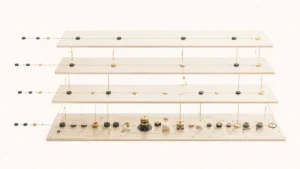
Structured recognition changes that reporting layer. A photo can become comparable fields instead of an unsearchable attachment. Teams can aggregate execution by campaign, location, material type, brand, placement, or exception status and identify where corrective action is needed while the activation is still running.
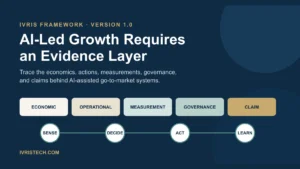
The metric hierarchy must stay clear. Presence, placement, and detected price are execution outputs. Correction time is an operational outcome. Incremental sales, margin, or trade-spend return are business outcomes. The IVRIS guide to B2B marketing metrics makes the same distinction between activity, output, and revenue impact. Collapsing those levels would turn a stronger audit signal into an unsupported ROI claim.
The Missing Proof: Accuracy and Trade-Spend ROI
FORM says POSM Recognition can work in cluttered stores and identify partly visible or damaged materials. Yet the announcement and product page reviewed by IVRIS do not publish precision, recall, false-positive or false-negative rates, the size of a validation set, or a comparison with trained human auditors.
The launch also says execution data can be connected to trade-spend ROI, but it provides no quantified result showing that the new capability increased sales, reduced waste, or improved return. Buyers should separate a capability claim from performance evidence, the standard set out in IVRIS coverage of proof-led positioning for AI vendors.
A false positive can mark a campaign compliant when the wrong material is present. A false negative can create unnecessary rework. Both affect operating cost, so buyers need error rates by material type, store condition, region, and exception class rather than one aggregate accuracy number.
What CPG and Retail Teams Should Test
The right pilot is a controlled execution test, not a broad rollout based on the launch claim. Teams should connect recognition to a defined exception workflow, a pattern covered in the IVRIS guide to business process automation services, and compare the combined process with the current audit.
- Build a representative gold set. Use known-correct store images with low light, glare, clutter, partial occlusion, damaged materials, multiple currencies, and similar-looking campaigns. Measure correct detections and missed required materials.
- Test the exception path. Confirm who receives an alert, how quickly it is assigned, what evidence closes it, and whether the corrected store is checked again.
- Measure operational lift. Compare manual review time, time to detect and correct an execution gap, duplicate photo capture, rework, and false alerts before and after the pilot.
- Keep ROI separate. Compare campaign outcomes only after execution data is reliable. Use matched stores, holdouts, or another defensible design before attributing sales or margin changes to recognition.
GoSpotCheck POSM Recognition is a credible attempt to make physical marketing execution measurable while a campaign is live. The buyer decision should turn on three proofs the launch materials do not provide: performance on the buyer’s own images, a workable correction loop, and a measurable connection between better execution and business results.
Frequently Asked Questions
GoSpotCheck POSM Recognition is an AI image-recognition capability from FORM for identifying point-of-sale marketing materials in store photos. It classifies displays and extracts fields such as material type, brand, product, price, campaign theme, and compliance status within GoSpotCheck mobile and PhotoWorks workflows.
FORM says the system recognizes POSM across eight media types, including freestanding displays, shelf talkers, lightboxes, banners, digital screens, and branded structures. It is also designed to identify partly visible or damaged materials and capture product and POSM information from the same field image.
FORM describes the new capability as zero-shot, meaning customers do not need to supply campaign-specific training data or sample images before recognition begins. That could shorten deployment for time-sensitive activations, but teams should still validate performance on their own materials, stores, lighting, and field-photo conditions.
Not in the announcement or product page reviewed by IVRIS. FORM does not publish a precision, recall, false-detection, validation-sample, or human-auditor comparison for POSM Recognition there. It also describes a connection to trade-spend ROI without providing a quantified campaign result for the new capability.