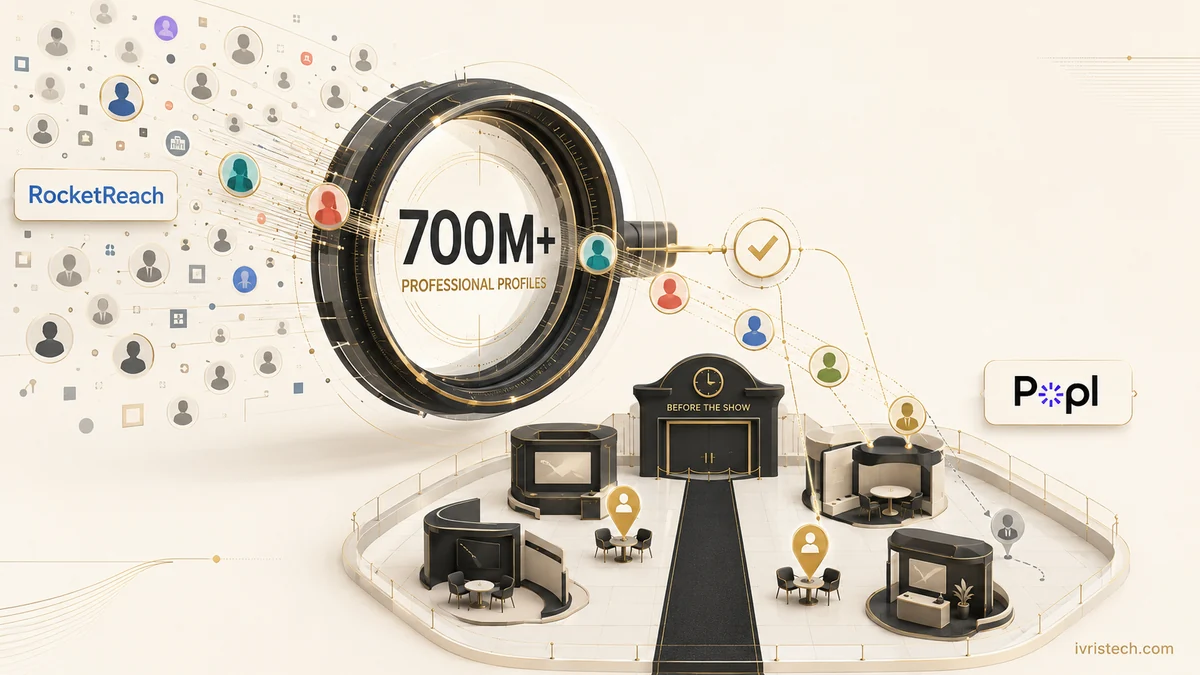
Popl and RocketReach announced a strategic data partnership on July 27, 2026 that makes RocketReach a primary data source across Popl’s enrichment engine. The deal is built around RocketReach’s database of more than 700 million professional profiles.
The companies say the deal will support real-time enrichment now and planned pre-event prospecting. Popl wants to identify exhibitors, find decision-makers, and build outreach lists before an event. RocketReach says its wider database covers more than 60 million companies.
Our read: Popl is pulling professional-profile data into the workflow before the badge scan, shifting event GTM from post-show cleanup toward pre-show account selection. That can improve preparation, but it does not remove the controls required in a reliable B2B data enrichment workflow.
Direct answer – What does the Popl and RocketReach partnership change?
The Popl RocketReach partnership connects RocketReach’s 700M+ professional profiles to Popl’s enrichment engine and planned pre-event prospecting workflows. Teams could use the data to enrich exhibitors, identify likely decision-makers, and prepare outreach before a conference. The main caveat is contractual: Popl has an option to secure category-exclusive access, but the announcement does not say that exclusivity has been activated.
Key Takeaways
- Popl and RocketReach announced the partnership on July 27, 2026.
- RocketReach is now described as a primary data source across Popl’s enrichment engine, covering contact, company, phone, healthcare, and prospecting data.
- The planned pre-event workflow includes enriching exhibitors, finding decision-makers, and building targeted outreach lists before the show floor opens.
- RocketReach’s disclosed database spans 700M+ professional profiles and 60M+ companies.
- Category exclusivity is an option in the agreement, not a capability Popl says it has already activated.
What Popl and RocketReach Actually Announced
Popl says RocketReach supplies person, company, phone, healthcare, and prospecting data across its enrichment engine, with API response times suited to live event use. Jason Alco, Popl’s founder and CEO, framed RocketReach as a provider spanning several data categories rather than only email or phone lookup.
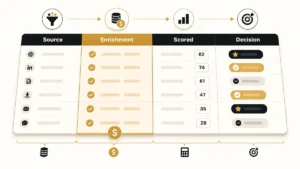
RocketReach is not Popl’s only source. Popl’s current data architecture still describes a waterfall of 20+ partners, AI agents, and validation. RocketReach strengthens that stack with a larger profile pool. Across the lead-generation tool market, database value still depends on match quality, useful fields, refresh rules, and CRM delivery.
The exclusivity language needs a careful read. Popl has an option to secure category-exclusive access across event lead capture and in-person GTM. It did not say the option has been exercised, disclose its conditions, or publish an activation date.
The Bigger Shift Is Pre-Event Prospecting
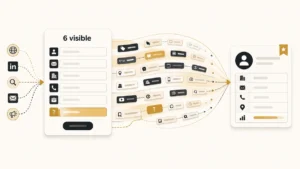
Popl already sells list enrichment and Event Intelligence. Its Event Intelligence product turns public exhibitor information into account lists, connects companies to CRM records, and surfaces prospects, deals, and customers tied to an event. RocketReach adds deeper person-level coverage to that layer.
A pre-event flow could resolve an exhibitor list to company domains, compare accounts with the CRM, identify buying-committee roles, and prepare outreach for human review. The useful result is not a cleaner CSV. It is a ranked meeting plan showing which booths and accounts deserve attention.
This follows a broader move to make event data usable in automated workflows. Our reporting on RainFocus giving AI agents access to event data covered the platform side. Popl and RocketReach approach it from the contact-data side, joining event context with profiles and prospecting signals.
The Hidden Catch: Profiles Are Not Qualified Event Leads
A record can show that someone holds the right title at an exhibiting company. It cannot prove that the person will attend, wants a meeting, owns the problem, or is ready for outreach. Popl’s materials distinguish enriched exhibitor lists from predicted attendees, an important boundary for revenue teams.
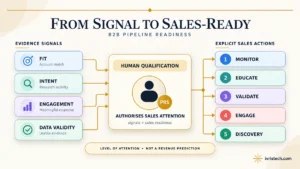
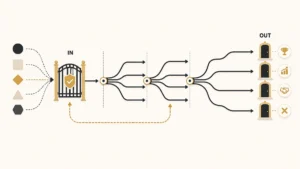
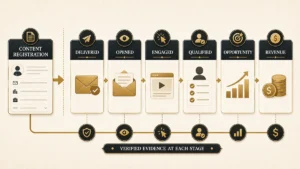
List size should not be the success metric. Teams still need to verify identity, employment, account fit, ownership, duplicates, and suppression rules. The same lead-validation gate used for inbound and purchased data should sit between event enrichment and sales activation.
The announcement leaves buyer questions open. It does not disclose customer pricing, rollout dates, regional field coverage, service levels, or controls for source lineage and confidence. Those details will determine whether the database becomes dependable pipeline infrastructure.
What Event and Revenue Teams Should Test Now
- Use one event and one ICP. Compare a narrow exhibitor list and suggested contacts with records your team trusts.
- Separate company presence from individual attendance. A suggested decision-maker may still be a prediction.
- Keep research separate from activation. Let the system recommend before it creates sequences or tasks. That is the control pattern we recommended when Apollo moved prospecting data into Perplexity Computer.
- Write source fields to the CRM. Preserve the provider, checked date, confidence, and prior value.
- Measure accepted meetings, not returned profiles. Track matches, valid contacts, meetings, sales acceptance, and suppressed records.
The real test is whether teams can reach the right people earlier without turning a 700-million-profile database into an indiscriminate pre-show mailing list.
Frequently Asked Questions
Popl and RocketReach announced a strategic data partnership on July 27, 2026. RocketReach is serving as a primary source across Popl’s enrichment engine, while the companies plan to expand into pre-event prospecting that identifies exhibitors, decision-makers, and outreach targets before conferences begin.
Not according to the announcement. The agreement gives Popl an option to secure category-exclusive access to RocketReach’s professional-profile data for event lead capture and in-person GTM. Popl did not say that it has exercised the option or disclose the conditions required to activate it.
Teams could start with an exhibitor or attendee list, resolve the companies, match them with CRM accounts, identify relevant roles, and prepare outreach before travel. The useful output is a prioritized meeting plan, not simply a larger contact export, and suggested people still require verification.
Verify identity, current employment, account fit, event relevance, duplicate status, ownership, suppression rules, and the source date for every critical field. Keep automatic outreach disabled until a sample shows acceptable match quality, and distinguish confirmed attendees from people predicted to represent an exhibiting company.